


The Past
Economic inequality among Asian Americans is rooted in immigration history, discrimination, and stereotypes in the United States. Asian immigration began to surge around the 1900s, with Japanese, Koreans, South Asians, Filipinos, and Chinese laborers, but laws were used to limit their success. Policies like the Chinese Exclusion Act of 1882 prevented immigration, which also denied citizenship. Laws like the Alien Land Law, which restricted land ownership, further made it more difficult to achieve stability on United States soil. These laws made it difficult for Asian Americans to build wealth and stable communities, slowing the economic progress for decades (Sirathanapornpat, 27).
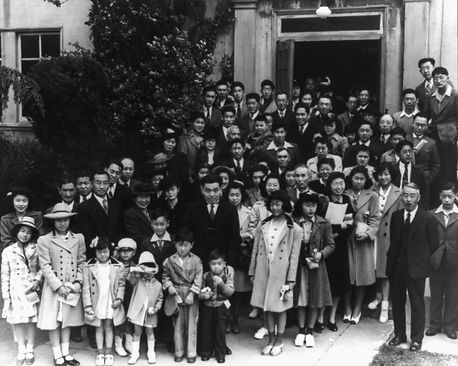
During World War II, Japanese Americans were placed in internment camps, losing property and their economic stability, even though many were U.S. citizens. These actions show how Asian Americans were often treated as outsiders, denying them the full acceptance of being a part of American society. Even after these policies ended and later immigration reforms were passed, the long-term economic effects of discrimination continued to impact Asian American communities (Sirathanapornpat, 28).

Immigration Pattern
Immigration patterns changed after 1965, bringing people from many backgrounds. Some immigrants arrived with education and professional skills, while some came with few resources and faced economic challenges. Due to immigrants relying on community support, the groups with few established communities often struggle more, leading to unequal economic outcomes among Asian Americans (Siranthanapornpat, 22).
Model Minority

Another important part of history is the "model minority", which ties in that all Asian Americans are successful and free from inequality. Although Asian Americans may appear successful overall, they can still experience poverty, wage gaps, and discrimination. In many cases, they earn less than white individuals with the same level of education, showing that race continues to impact economic opportunities (Segal et al., 12).
Acknowledgement
Understanding the history helps explain why economic inequality among Asian Americans still exists today. Past discrimination, unequal experiences, and misleading stereotypes contribute to the differences in income, wealth, and opportunity within these communities.